Amazon Forest
World leaders, diplomats and nature experts are meeting in Armenia this week to assess efforts to halt biodiversity loss, with countries off track on most global targets and disagreements over funding still unresolved.
The 17th Conference of the Parties (COP17) is the first major review of progress under the Kunming-Montreal Global Biodiversity Framework, a landmark agreement adopted in 2022 that aims to protect 30% of the world’s land and sea by 2030.
While the world is projected to achieve an estimated 27.5% land protection by 2030, scientists say many of the broader targets needed to halt biodiversity loss remain off track.
Unsustainable pesticide use, overfishing and subsidies for environmentally damaging activities continue to threaten ecosystems, with implications for food production, water security and economic stability.
Countries are currently not on track to meet 22 of the 23 goals set out in the Kunming-Montreal framework, according to a draft United Nations report.
Although 144 countries, including Brazil and China, have developed national action plans, questions remain over how funding will be shared and how countries will meet the framework’s target of mobilising $30 billion annually in international public finance.
These issues are expected to feature prominently during the two-week talks in Yerevan, Armenia’s capital.
The broader financing goal is to mobilise at least $200 billion annually from all sources by 2030.
Subsidy reform
Another major focus is reforming $500 billion in annual subsidies for activities that harm nature. Governments are being urged to establish a two-year timeline to identify and redirect the most damaging incentives.
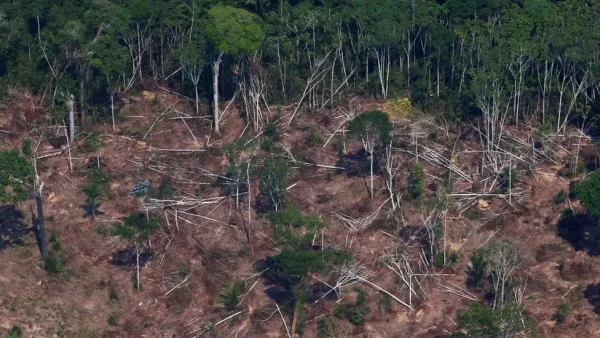
These could include subsidies that encourage farmers to clear rainforests, as well as state support for synthetic fertilisers and chemical pesticides that damage soil and water.
Reforming such subsidies could help governments address biodiversity loss and related challenges, including food and energy security, without committing additional public funds at a time of conflict, energy crises and inflationary pressures.
“This isn’t primarily a story about conservation,” said Eva Zabey, chief executive of the non-profit organisation Business for Nature, at a media briefing. “It’s an economic, fiscal, political and competitiveness story, which is grounded in resilience and resource security.”
More than 130 businesses, including retailer H&M and consumer goods company Nestlé, issued an open letter ahead of the talks urging governments to establish clearer policies and plans to reform incentives within the next 12 months.
The businesses argue that clearer policies would make investment more attractive.
Subsidies cost governments an estimated $11 trillion to $24.7 trillion annually, according to the non-profit organisation Conservation International. Governments often bear the costs twice: first through the subsidies and later through efforts to address the resulting damage, including pollution, illness and infrastructure repairs.
Bigger role for private sector
With public funding constrained, attention is also turning to the private sector, including through the Cali Fund, established in 2025 to help finance biodiversity conservation.
The fund is intended to channel contributions from companies that benefit from using digital databases of genetic resources, including in the pharmaceutical, cosmetics and commercial agriculture industries.
However, details remain unresolved, including how funding should be distributed among countries and Indigenous communities, and whether companies should contribute based on their total revenue when only part of their business depends on these genetic resources.
Cristián Samper, managing director and head of Nature Solutions at the Bezos Earth Fund, said the talks also presented an opportunity for governments to strengthen efforts to prevent species extinction.
“We know recovery is possible. The decisions we make in Armenia should give more conservation teams the backing to make it happen,” he said.
Reuters