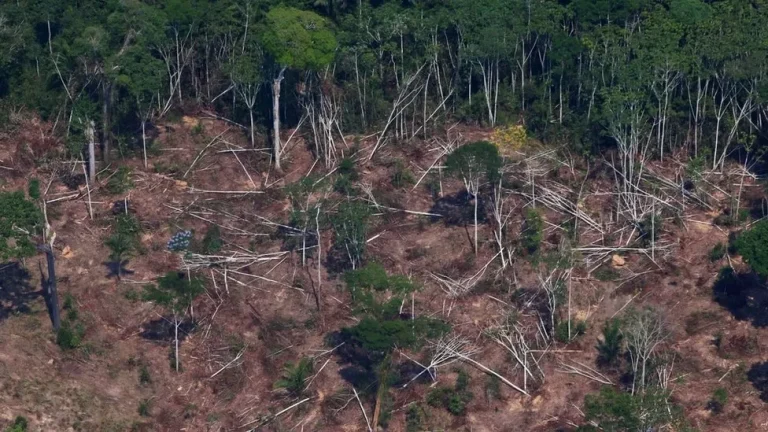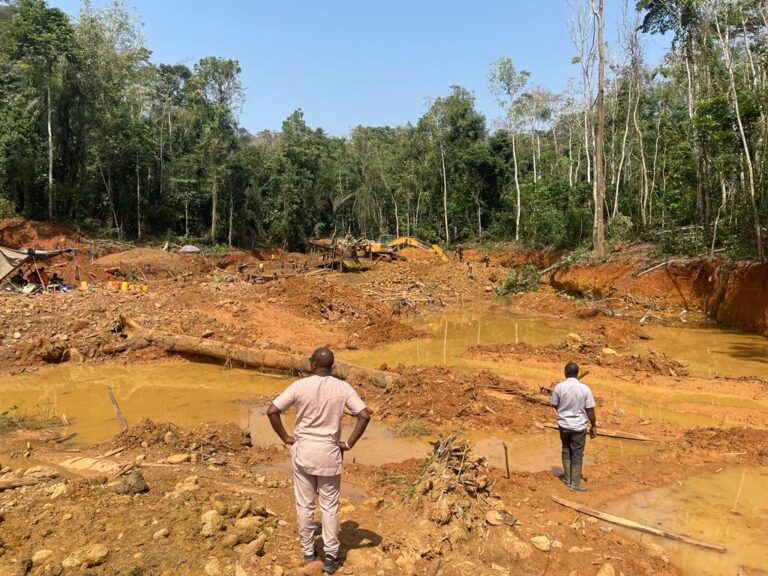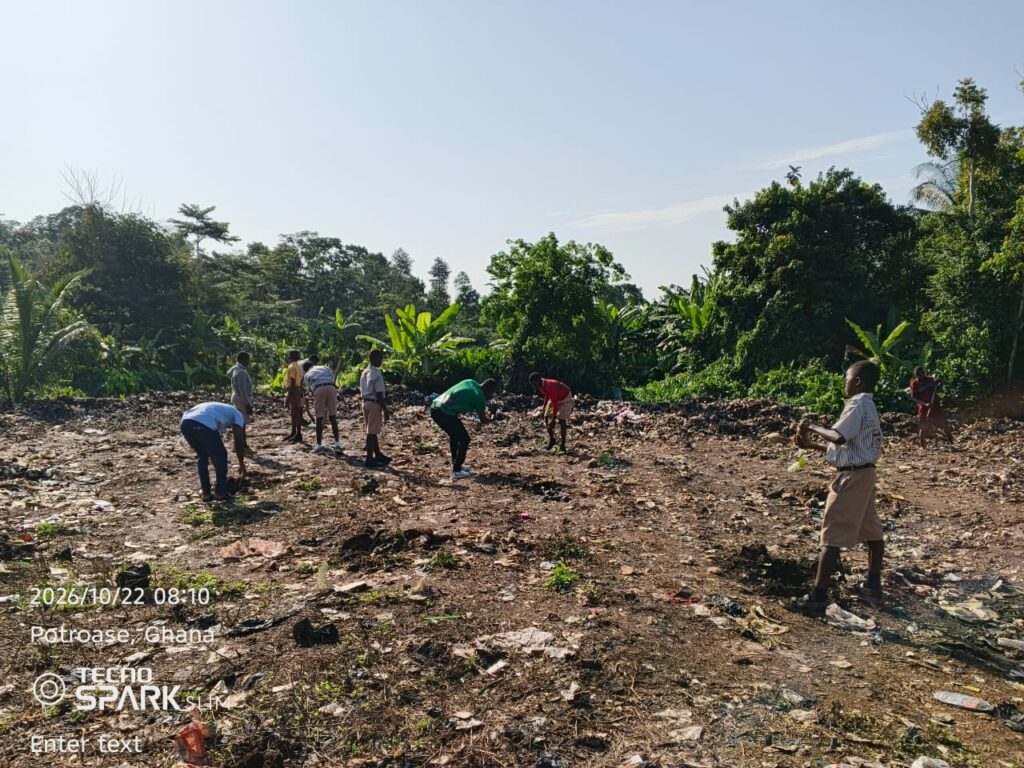
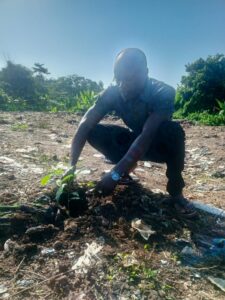
The Concerned Citizens of Atewa Landscape (CCAL) has organised a tree-planting exercise at Potroase as part of efforts to restore degraded landscapes, protect the environment and encourage local communities to participate in conservation.
The exercise brought together school pupils, community representatives and environmental stakeholders to plant seedlings and promote environmental awareness among young people.
The initiative forms part of a broader revegetation project aimed at restoring degraded areas and promoting a culture of environmental conservation in communities across the Atewa landscape.
School pupils were among the participants, with their involvement intended to strengthen environmental awareness and encourage young people to take an active role in conservation.
As part of the initiative, Revegetation Clubs will be established in schools within participating communities. The clubs are expected to educate pupils on the importance of trees, biodiversity conservation, watershed protection and sustainable natural resource management.
Through the clubs, pupils will be encouraged to undertake practical environmental activities and promote conservation in their schools, homes and communities.
Community participation and traditional leadership will also be important to the initiative’s success. Speaking on behalf of the chief, the chief linguist pledged the community’s commitment to protecting the newly planted seedlings.
He said the community would make efforts to ensure the seedlings survived and grew, highlighting the importance of maintaining and protecting trees after planting.
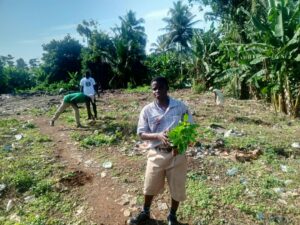
The Potroase exercise forms part of a wider revegetation initiative scheduled to extend to all 53 communities targeted under the project. The approach combines tree planting with environmental education, youth participation and community involvement in landscape restoration.
The project is sponsored by the European Union through A Rocha Ghana under the BRACE initiative, which stands for Building Resilient and Active Communities in Extractive Landscapes.
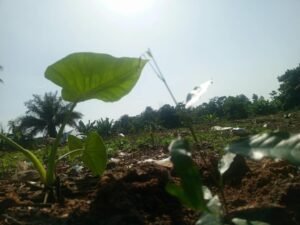
CCAL said restoring the Atewa landscape would require sustained community participation, strong local leadership and environmental education, alongside efforts to protect natural resources for present and future generations.
The organisation said it would continue working with schools, traditional authorities, community members and other stakeholders as the initiative expands across the targeted communities.