Underwater view of a yellow excavator in the deep blue sea,
Civil society organisations have warned that plans for offshore gold exploration along Ghana’s coastline could create new pressure on a marine space that supports millions of livelihoods, and are calling for an urgent government review before intrusive exploration activities begin.
The coalition, including the Environmental Justice Foundation, Hen Mpoano, OCEANA, Friends of the Nation, A Rocha Ghana and Oxfam, made the call in an open letter to President John Dramani Mahama dated September 28, 2026.
The CSOs are raising concerns over Gold Coast Resource Corp.’s reported 10 offshore reconnaissance licences covering about 10,000 square kilometres from Half Assini to Winneba.
They want government to publish the official coordinates, licence instruments, conditions and work programmes to establish exactly where the licences are located and what activities they permit.
A key concern is the Inshore Exclusion Zone, which extends 12 nautical miles, or about 22 kilometres, from Ghana’s coastline. The CSOs say the company’s published map appears to extend to about 33 kilometres offshore, potentially placing parts of the licensed areas within the zone.
They, however, stress that the actual overlap cannot be confirmed without the official cadastral coordinates.
The organisations also say about 50,000 line-kilometres of airborne magnetic data have reportedly been collected, while a 500-square-kilometre priority area has been identified around the mouth of the Ankobra River.
Proposed next steps reportedly include bathymetric and seismic surveys, vibro-core drilling and bulk seabed sampling.
The CSOs are questioning whether such activities are permissible under the reconnaissance licences and have cited provisions of the Minerals and Mining Act, 2006 (Act 703), as amended, which they say restrict drilling and excavation under reconnaissance licences.
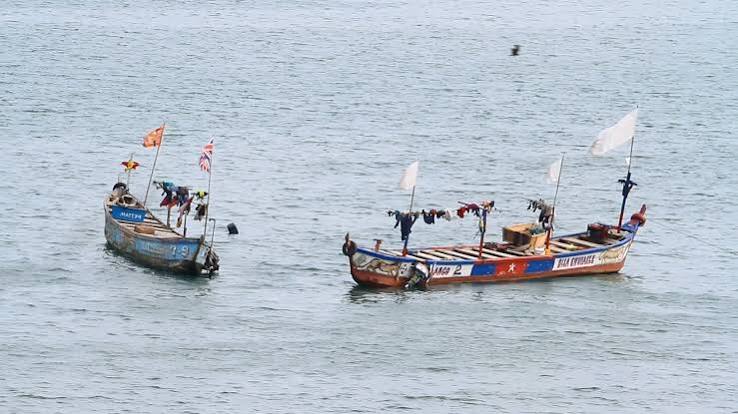
They are also concerned about the potential impact on Ghana’s fisheries, noting that the fisheries sector supports millions of people directly and indirectly and remains an important source of food and livelihoods for coastal communities.
The organisations are therefore calling for independent legal, environmental, fisheries and socioeconomic assessments before intrusive seabed activities are allowed to proceed.
They are also demanding an assessment of the licences against fishing grounds, spawning and nursery areas, the Greater Cape Three Points Marine Protected Area and other sensitive marine habitats.
The CSOs say the government should clarify how offshore mineral exploration can proceed without undermining efforts to protect Ghana’s fisheries and marine resources, particularly as the economic viability of an offshore gold resource has not yet been established.