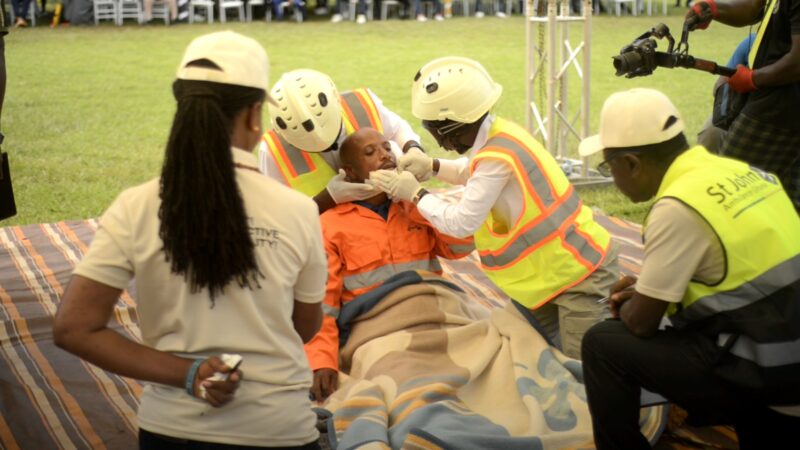
Ghana’s mining industry experienced a mixed safety performance in 2024, with a sharp rise in non-fatal injuries but a notable decline in fatalities, according to the 2024 Annual Report of the Ghana Chamber of Mines.
The report, citing data from the Minerals Commission, shows that first aid injuries—those that do not result in the loss of shift time—increased by 37%, rising from 162 cases in 2023 to 222 in 2024. This represents a deterioration in workplace safety practices concerning minor incidents.
At the same time, serious injuries, defined as incidents leading to more than 14 days of work loss, surged by 152.9%, jumping from 17 cases in 2023 to 43 in 2024. This significant increase has raised concerns about operational risks and the need for stronger preventive measures in mine safety protocols.
In contrast, the number of fatal injuries decreased markedly. The sector recorded three fatalities in 2024, compared to seven in 2023, reflecting a 57.1% improvement in the fatality rate. Of the three deaths, two occurred at Earl International Gold Ghana Ltd, and the third at Atlantic Lithium Ltd, which is still at the late-stage exploration phase.
The contrasting trends highlight both progress and persistent challenges in occupational safety within Ghana’s mining sector. While fewer lives were lost in 2024, the spike in first aid and serious injuries points to the need for more robust safety systems, better hazard control, and continuous workforce training.
Industry stakeholders are expected to respond to these findings with renewed emphasis on workplace safety culture, aiming to not only sustain the decline in fatalities but also reverse the rising tide of non-fatal incidents.