Kwame Jantuah
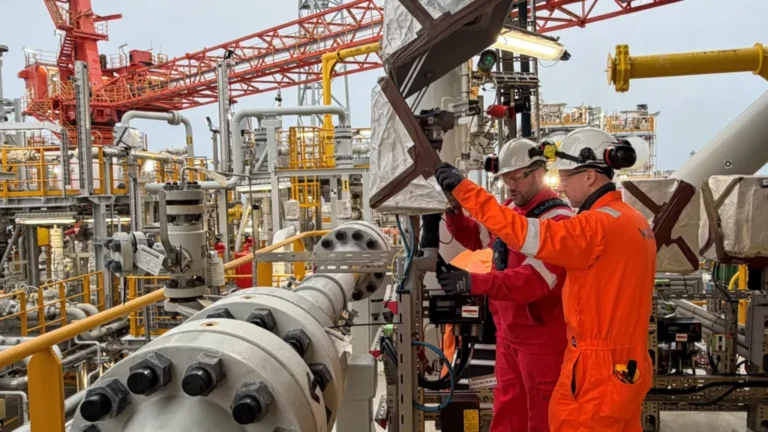
Kwame Jantuah, Board Member of the Ghana National Petroleum Corporation (GNPC) and CEO of African Energy Consortium, has disclosed that GNPC is advancing plans to unlock significant oil and gas resources from marginal fields as part of a strategy to increase Ghana’s petroleum revenue base.
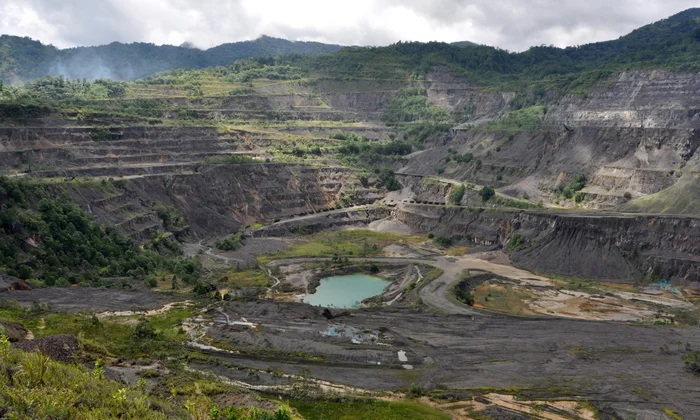
Speaking on TV3’s New Day on Friday, Jantuah revealed that GNPC’s recent studies have identified about one billion barrels of oil and 2.5 trillion cubic feet (TCF) of gas spread across several marginal fields—smaller reservoirs that are not economically viable on their own but could be developed profitably if clustered.
“We’re not even looking at the Eastern Basin yet. The focus is currently on the Western Basin, which is already prolific,” he explained. “These marginal fields may not attract big oil companies, but for us at GNPC, if we cluster them properly, they could become a significant source of national revenue.”
According to him, developing these fields could provide a new wave of investment into Ghana’s oil and gas sector, while creating jobs and generating revenue to support the country’s infrastructure development.
Strategic Clustering and Revenue Generation
Jantuah said the Corporation’s approach involves clustering marginal fields to attract mid-tier investors who can exploit these resources efficiently. “We’ve started engaging partners, and if we can get the investment needed to drill, the returns could be substantial,” he said.
He further stressed that getting gas out of these fields would be equally important, especially for industrial use and power generation. “Gas is a key driver of economic growth, and these marginal fields contain enough to make a difference,” Jantuah added.
Jantuah’s comments came in the context of a broader discussion on how Ghana can better manage its oil wealth. While he noted that the Petroleum Revenue Management Act had spread oil spending too thinly across multiple sectors, he welcomed government efforts to return to targeted investment models, especially in transport and energy infrastructure.
But for such development to be sustainable, he argued, GNPC must be positioned as a lead operator in the upstream sector, especially in fields where international oil companies are reluctant to invest.
Call to Build Local Capacity
Jantuah also urged Ghanaians to build capacity to take advantage of emerging opportunities in the sector—especially with prospects of onshore oil development by 2030.
“GNPC is working to become the dominant national operator. And when the time comes, Ghanaian companies must be ready to partner and benefit directly from these ventures,” he said.
Listen to Kwame Jantuah in the attched audio clip below: