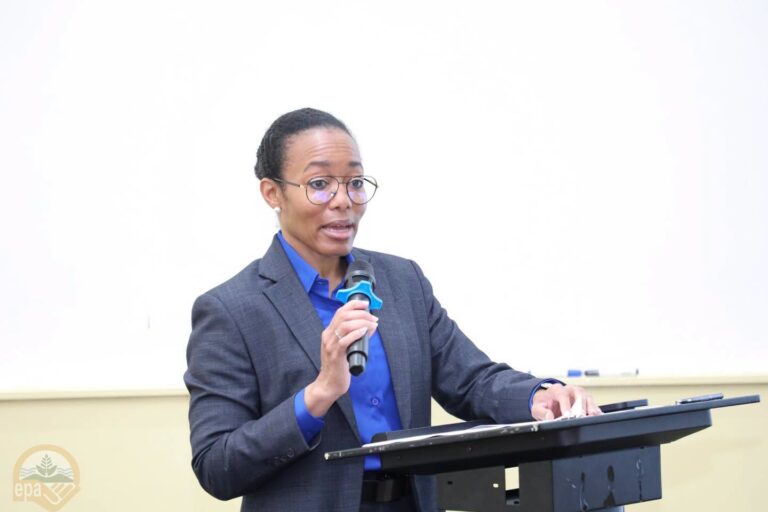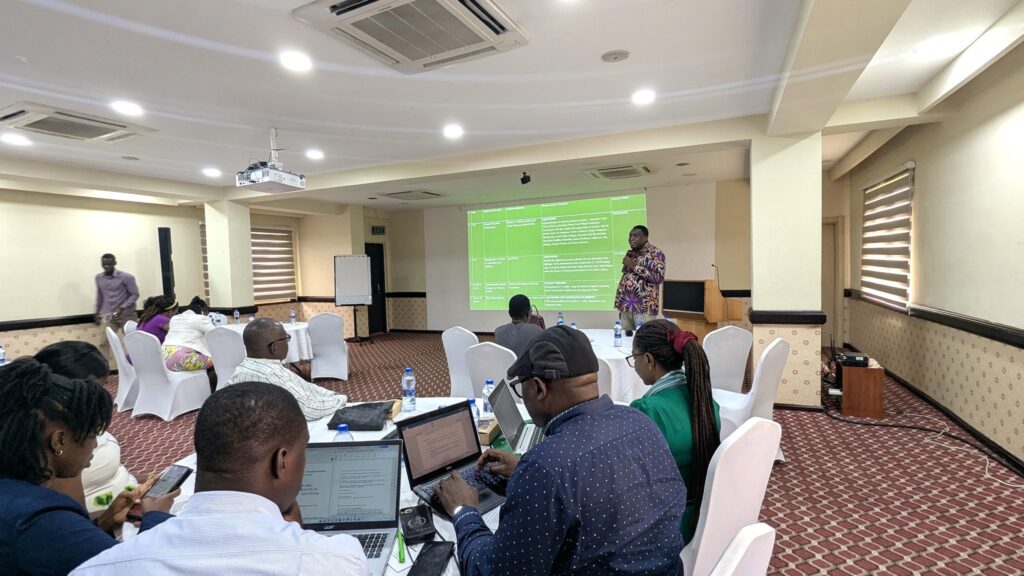
Jonathan Goka addressing participants
Kasa Initiative Ghana, in partnership with Cowater International, has taken a major step toward enhancing civil society engagement in climate finance by spearheading a climate change budget analysis workshop under the Strengthening Investments in Gender-Responsive Climate Adaptation (SIGRA) project.
The two-day capacity-building workshop, which concluded today, brought together women-led Civil Society Organizations (CSOs) and key government actors to foster dialogue, build understanding, and strengthen collaboration around climate budgeting processes in Ghana.
A key highlight of the workshop was a presentation by Kasa’s Network Coordinator, Jonathan Gokah, who introduced participants to Ghana’s 2025 national budget, with a particular focus on allocations for climate change adaptation and mitigation.
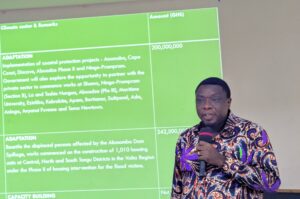
The analysis highlighted existing funding gaps, priority areas, and the opportunities for aligning national resources with the realities of vulnerable communities, particularly women and youth affected by climate impacts.
The session also featured a strategic engagement with officials from the Ministry of Finance, Ghana, offering participants firsthand insights into the technical and political dimensions of the country’s budget formulation process. The ministry’s team explained how climate considerations are being mainstreamed across sectors and reaffirmed their commitment to transparency and inclusivity in fiscal planning.

According to organizers, the workshop aimed to ensure that women-led CSOs are not only informed about climate budgeting but are also equipped to contribute meaningfully to the upcoming 2025 mid-year budget review. The initiative forms part of a broader agenda to ensure gender-responsive and climate-just public spending across Ghana’s development priorities.
“This is about shifting from awareness to action. We want to see communities influencing the budget, not just reacting to it,” said Gokah. “The SIGRA project is positioning women at the heart of climate finance accountability.”
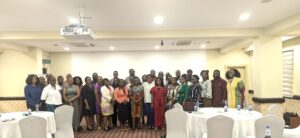
Participants left the workshop with practical tools to analyze budget documents, track climate finance commitments, and engage more effectively with policymakers.
The SIGRA project continues to play a critical role in bridging the gap between grassroots voices and national policy, at a time when climate vulnerabilities are deepening and the call for equitable resource allocation has never been louder.