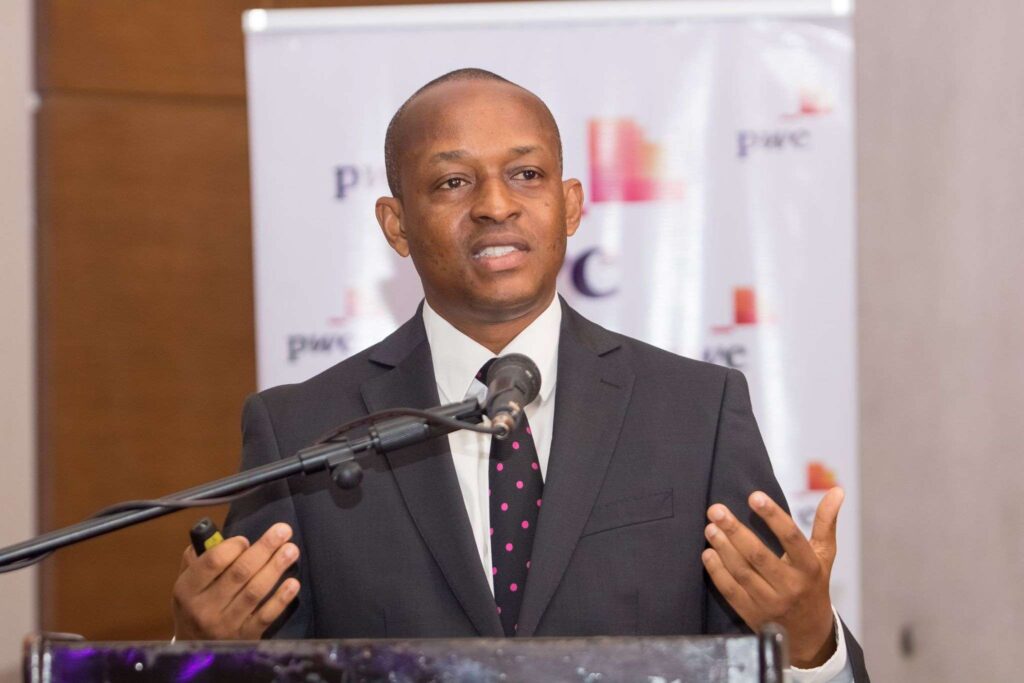
The Country Senior Partner at PricewaterhouseCoopers (PwC) Ghana, Vish Ashiagbor, has emphasized the need for continuous dialogue between the government and mining firms regarding the recent increase in the Growth and Sustainability Levy from 1% to 3%.
The increase, announced as part of Finance Minister, Dr. Cassiel Ato Baah Forson’s 2025 Budget Statement delivered to Parliament on Tuesday(11 March), will extend the levy until 2028, shocking industry leaders who claim they received minimal advance notice and no meaningful consultation.
The Chief Executive Officer (CEO) of the Ghana Chamber of Mines, Sulemana Koney since criticised the government’s approach, saying the industry was blindsided by the policy shift.
Speaking at PwC’s 2025 Budget Digest Forum in Accra on March 18, Ashiagbor acknowledged the concerns raised by the mining industry while also recognizing the government’s fiscal challenges.

Concerns of the mining sector
According to Ashiagbor, mining companies argue that their investment decisions are based on long-term planning. Unexpected policy changes, such as the increase in the Growth and Sustainability Levy, disrupt their financial projections and could impact profitability.
“The argument that those in the mining sector are making is that they make their plans or their investments based on a long-term plan. So, when you suddenly impose or increase the levy and extend its tenure, it disrupts their planning and may affect their expected returns,” he stated.
He further noted that while the government is under pressure to balance revenue and expenditure, it is crucial that mining companies also gain a better understanding of the government’s position. He suggested that open discussions could help both parties explore alternative solutions that create a win-win scenario.
Government’s position and the way forward
The government, in justifying the levy increase, has pointed to record-high commodity prices in the mining sector, which it describes as a “windfall” for companies.
However, Ashiagbor acknowledged the cyclical nature of the extractive industry, noting that while high prices may lead to increased levies, downturns in commodity prices often do not come with similar government reliefs.
“It’s important to recognize that mining companies do not experience windfalls every day. When prices are down, there is no relief, but when they go up, they become targets for increased taxes and levies,” he explained.
Call for collaboration
PwC believes that a structured dialogue between government and industry stakeholders is necessary to strike a balance between revenue generation and industry sustainability.
“We think the solution is to have some form of dialogue so that everybody understands what is driving decisions and what their respective contributions ought to be,” Ashiagbor said.
The discussion around the Growth and Sustainability Levy is expected to continue, with industry players advocating for policies that provide stability and predictability for long-term investments, while the government seeks ways to boost revenue amid economic challenges.