Forest Reserve
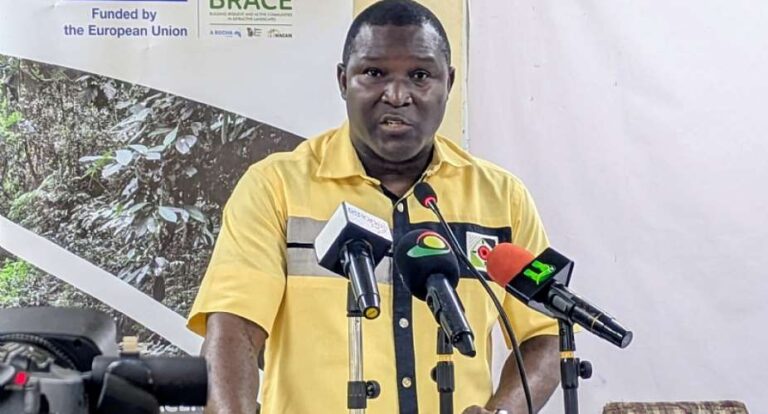
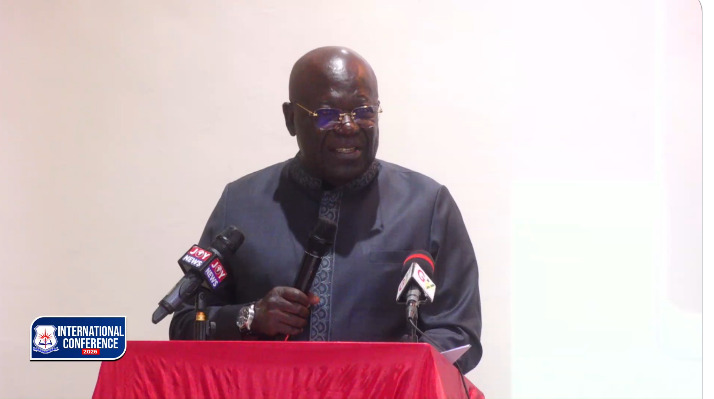
Acting CEO of the Ghana Chamber of Mines, Ahmed Nantogmah, has clarified the purpose and intent behind the Legislative Instrument (LI) governing mining in forest reserves, saying it has been widely misunderstood and unfairly criticized by sections of the public and civil society.
Speaking on The Pulse on Joy News, Nantogmah explained that the LI was not introduced to encourage indiscriminate mining in ecologically sensitive areas, but rather to regulate and guide responsible, targeted operations—especially in cases where national interest demands resource extraction in forest reserves.
“Mining companies are not allowed to disturb the entire forest reserve,” he said. “The condition is that only the pit or mining area can be disturbed. Everything else—washing plants, accommodation, and other infrastructure—must be built outside the reserve.”
He pointed to the case of the Atewa Forest, an ecologically sensitive area with bauxite deposits, noting that any government decision to mine in such zones would be subjected to far stricter environmental conditions compared to operations in off-reserve areas.
“The LI simply provides a legal framework for that possibility. If a mineral, say uranium, is found in a forest and is important to our economy, then government can approve it, but with additional, stringent conditions. It doesn’t mean a free pass to destroy the forest,” he explained.
Nantogmah expressed concern that the ongoing discourse around mining in forest reserves has been clouded by misinformation and public emotion, rather than technical understanding. “If we say there should be no mining at all in forest reserves, then the LI becomes unnecessary. But if we believe we may need to extract critical resources from those areas, then we need regulation,” he said.
He further pointed out that responsible, large-scale mining has been happening in some forest reserves for years without controversy. “Take Newmont Akyem, for example—it’s located in a forest reserve, yet you don’t hear about environmental destruction there. Their operations are strictly regulated and targeted.”
Addressing growing public anger over illegal mining, he drew a clear distinction between lawful, regulated operations and galamsey (illegal mining), which he said is the real threat to Ghana’s forests and water bodies. “Illegal miners don’t follow any law. They bribe their way into cocoa farms, dig without permits, destroy rivers with excavators—and there’s no regulation at all.”
According to him, grouping all mining activities under one umbrella is misleading and harmful. “We must differentiate between those with permits who are being monitored and those who are simply rogue operators. Only then can we have a fair and productive conversation.”
With civil society groups threatening protests over the forest mining issue, Nantogmah warned that political pressure should not force decisions that ignore the technical realities and investment implications. “Regulated mines already work with the EPA, the Water Resources Commission, and the Chief Inspector of Mines. They are held accountable—and they pay for every action. Let’s not let misinformation drown out the facts.”
He emphasized the need for education and transparent dialogue, urging Ghanaians to base their opinions on facts and not blanket assumptions. “If we keep saying everyone is bad, we lose sight of those doing it right. That’s the real danger.”
Listen to Ahmed Nantogmah in the attached audio clip below