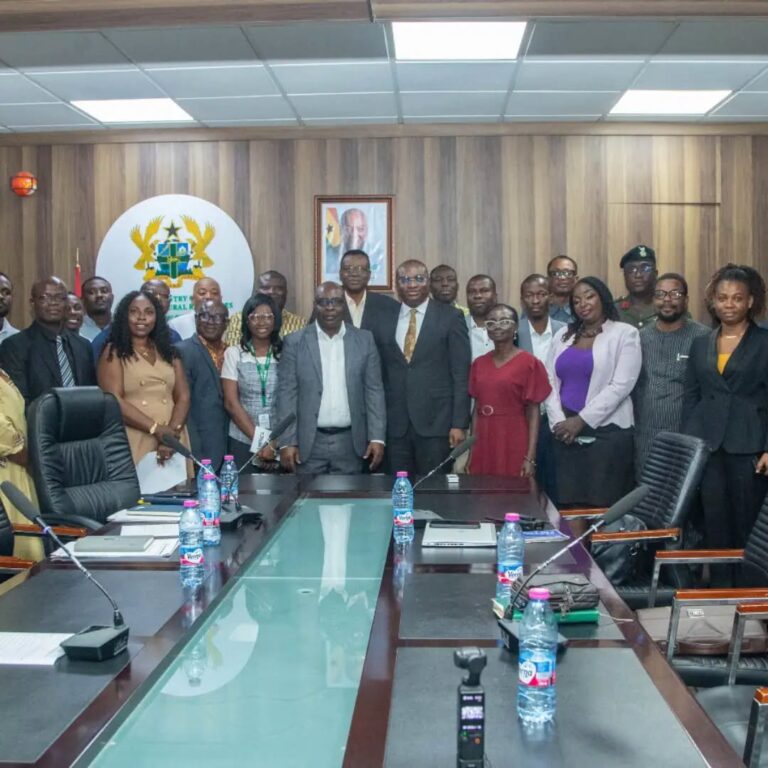
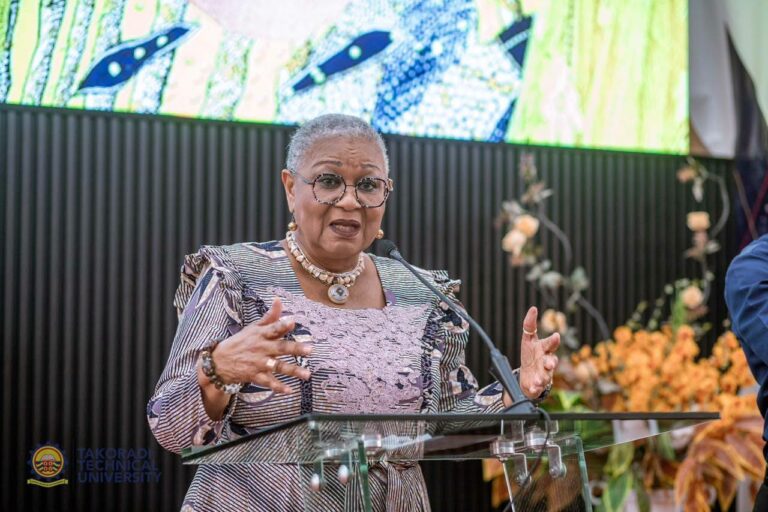
The Minister for Trade, Agribusiness and Industry, Elizabeth Ofosu-Adjare, on Wednesday, July 9, 2025, inaugurated three key governing boards under her Ministry: the Ghana Investment Promotion Centre (GIPC), the Ghana Standards Authority (GSA), and the Ghana Export-Import Bank (Ghana EXIM Bank), as part of efforts to strengthen Ghana’s investment, industrialization, and export agenda.
The first to be inaugurated was the 10-member Governing Board of the Ghana Investment Promotion Centre, chaired by former Minister of State, Mr. Akwasi Oppong-Fosu. Other members include Dr. Zakaria Mumuni, Dr. Audrey Smock Amoah, Deputy Minister for Trade, Agribusiness and Industry Sampson Ahi, Deputy Finance Minister Thomas Nyarko Ampem, GIPC CEO Simon Madjie, Dr. Reuben Owusu Gyamfi, Ghana Association of Banks CEO John Awuah, Major Christine Naa Adoley Oko (Rtd), and Mercy Afrowa Needjan, President of the Greater Accra Markets Association.
Addressing the Board, the Minister emphasized the critical role of GIPC in attracting foreign direct investment (FDI) to drive job creation and economic transformation. She announced plans to review the GIPC Act to make it more robust and responsive to global investment dynamics.

“I am confident that you know the mandate of the Board for which you have been called to serve – primarily to bring foreign direct investment into Ghana. We are looking at your law again to make it more robust, more effective, and to help you achieve your mandate,” Ofosu-Adjare stated.
Board Chair Mr. Akwasi Oppong-Fosu pledged the Board’s full commitment to supporting the Minister in realizing the President’s vision of a transformed Ghanaian economy through strategic investment promotion.
Later in the day, the Minister inaugurated the Governing Board of the Ghana Standards Authority, chaired by Mr. Hudu Mogtari. The 12-member Board comprises Appiah Kusi Adomako, Michael Agbeko Kwadjo Seneyah, Roderick Kwabena Daddey-Agyei, Dramani Bukari, Samuel Akrofi, Prof. Nana Ama Browne Klutse, Dr. Humphrey Ayim-Darke, Prof. Ransford Edward Van Gyamfo, Prof. Charles Tortoe, Jane Dede Senam Tachie-Menson, and Rodaline Zumale Adama.

Ofosu-Adjare urged the Board to prioritize quality assurance and standard harmonization, particularly within the framework of the African Continental Free Trade Area (AfCFTA), to enhance Ghana’s competitiveness on the continental market.“We need to do a lot of standard harmonization because once we harmonize our standards with other countries, it makes trading easier under AfCFTA,” she noted.
Chairperson Hudu Mogtari assured the Minister of the Board’s dedication to safeguarding consumer interests and supporting industrial development through enhanced standardization and regulatory enforcement.
Rounding off the day’s series of inaugurations, the Minister also swore in the newly constituted Board of the Ghana EXIM Bank, chaired by Dr. Joseph Nyarkotei Dorh. Other members include Samuel Danquah Arkhurt, Deputy Minister Sampson Ahi (MP), Matilda Asante-Aseidu, Francis Kojo Kwarteng Arthur, Stephen Abbas Miezan, Adamu Robert Akati, Millicent Samira Lardi Glawu, and Sylvester Adinam Mensah.

In his remarks, Dr. Dorh expressed gratitude to the Minister for the opportunity to serve and outlined the Board’s strategic priorities in line with the Bank’s mandate and the President’s vision for a 24-hour economy. He indicated that the Board would focus on five key areas: strengthening the agriculture–agribusiness value chain, boosting food production for national security, promoting import substitution, encouraging export diversification, and accelerating garment and apparel exports.
He further emphasized the Board’s commitment to increasing rice production and expanding Ghana’s poultry industry.“We shall avoid the temptation of spreading thin to make the necessary impact and become more relevant in the broader objectives of Ghana EXIM Bank. Minister, count on us to deliver on the objectives of the Bank,” he assured.
The inauguration of all three Boards marks a renewed push by the Ministry to deepen investor confidence, enhance product and service quality, and strengthen export capacity in line with Ghana’s industrial transformation agenda.