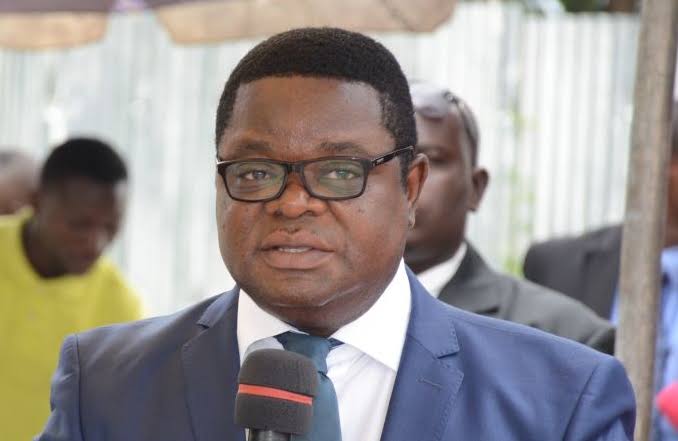
Isaac Tandoh, Minerals Commission CEO
The Minerals Commission has expressed confidence that the newly established Institute of Minerals Resource Investments and Governance (IMRIG) at the University of Mines and Technology (UMaT) will play a critical role in shaping Ghana’s mineral governance future through research, policy innovation and strategic stakeholder collaboration.
The Chief Executive Officer of the Minerals Commission, Isaac Andrews Tandoh, said IMRIG comes at a crucial time when Ghana’s mining sector is undergoing significant transformation amid growing global demand for critical minerals and increased focus on responsible resource management.
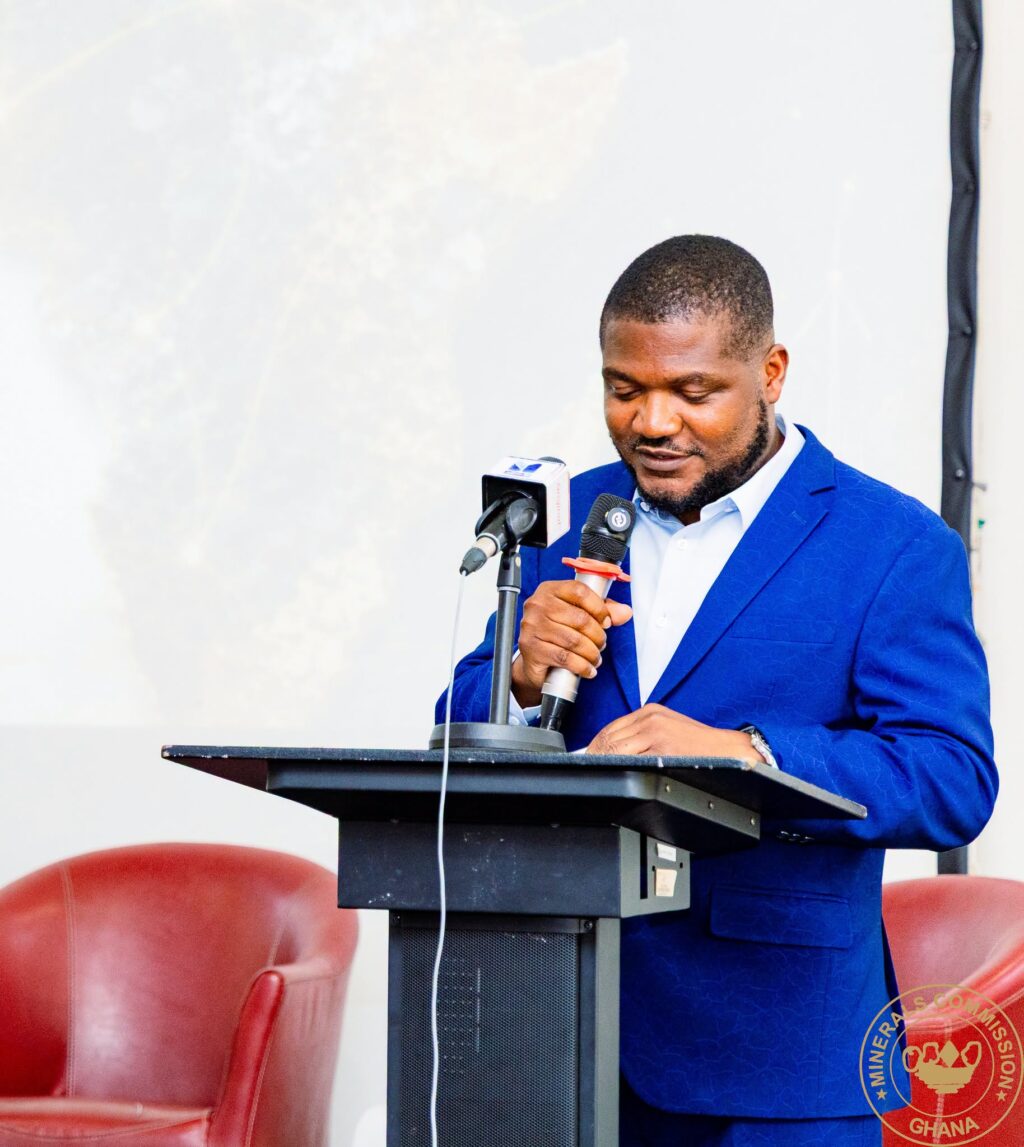
Speaking at the official launch of IMRIG in Accra, Tandoh said the institute has the potential to become a centre of excellence that provides credible research, practical policy solutions and objective analysis to guide decision-making in the mineral resources sector.
He noted that Ghana’s position as one of Africa’s leading mining investment destinations must be supported by strong governance frameworks, transparent systems and evidence-based policies.
“The future of the sector depends on robust governance frameworks, sound policy formulation, and meaningful collaboration among government, academia, industry, civil society and development partners,” he said.
Tandoh said the Minerals Commission is committed to working with IMRIG by providing access to relevant data, supporting research initiatives and participating in policy discussions that will address emerging challenges in the extractive sector.
He said such collaboration will help strengthen Ghana’s ability to manage its mineral wealth effectively while ensuring that mining delivers greater value to citizens.
The Minerals Commission CEO highlighted ongoing government reforms aimed at improving mineral governance, including the review of the Minerals and Mining Act, 2006 (Act 703), revision of the Minerals and Mining Policy and the introduction of a progressive minerals royalty pricing framework.
According to him, the reforms are designed to enhance transparency, promote value addition, strengthen local content and position Ghana to effectively govern emerging strategic and critical minerals.
Tandoh challenged IMRIG to focus on key issues shaping the future of the sector, including environmental, social and governance (ESG) standards, climate change, licensing transparency, responsible mining practices and critical minerals development.
He said government welcomes independent research and constructive scrutiny, stressing that strong institutions are built through accountability, openness and continuous improvement.
“The future of Ghana’s mineral resources will not be determined by the abundance of minerals alone, but by the quality of governance that underpins their management,” he said.
Mr Tandoh expressed optimism that IMRIG would grow into a continental centre for mineral research and policy innovation, helping to bridge the gap between mineral investment and governance while supporting Ghana’s vision of building a sustainable and globally competitive mining industry.