The Former Director of the Institute of Statistical, Social, and Economic Research (ISSER), Professor Peter Quartey, has raised concerns about growing mistrust in Ghana’s digital financial ecosystem, revealing that only 42 percent of users express confidence in mobile money and other fintech services.
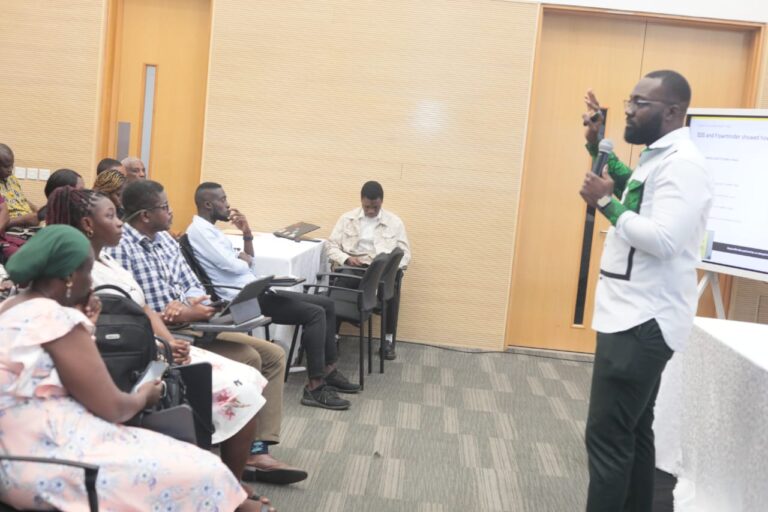
Speaking at the MTN Fintech Stakeholder Forum held in Accra on Wednesday, October 15, 2025, Prof. Quartey described the figure as “worryingly low” and urged regulators, service providers, and policymakers to address security and consumer protection gaps before public confidence erodes further.
The forum, themed “Harnessing Ghana’s Fintech Potential: Regulatory Frameworks for Digital Credit and Digital Assets,” brought together industry leaders, regulators, and academics to discuss the Bank of Ghana’s new digital credit directive and its implications for financial inclusion.
Prof. Quartey revealed that ISSER’s recent assessment of the fintech landscape showed high levels of awareness and usage of digital finance tools but a trust deficit due to concerns over scams, data privacy, and predatory lending practices.
“Trust in digital financial services is one area we need to work on because it is low to medium. About 42 percent of users of mobile money services noted trust issues — and we’ve all seen the way scammers harass users,” Prof. Quartey stated.
He recounted a disturbing personal experience where one of his staff fell into a digital lending trap — borrowing from 18 online credit apps and accumulating debts of over GHC 80,000 due to high interest rates and aggressive collection tactics.
“They even sent threatening messages to his contacts — including me. If we don’t regulate this space properly, people could be pushed to the edge,” he warned.
While commending the Bank of Ghana’s digital credit policy as a timely intervention, the ISSER former boss stressed the need for a balanced regulatory framework that protects both borrowers and lenders. He also called for stronger financial literacy campaigns to help consumers make informed decisions.
According to Prof. Quartey, the study also found gender and age disparities in digital credit usage, with younger users and men more likely to default on loans, and urged the introduction of a standardized interest rate formula to ensure fairness across digital lending platforms.
He concluded that restoring trust and ensuring transparency in fintech operations are vital to deepening financial inclusion and achieving Ghana’s broader digital transformation goals.