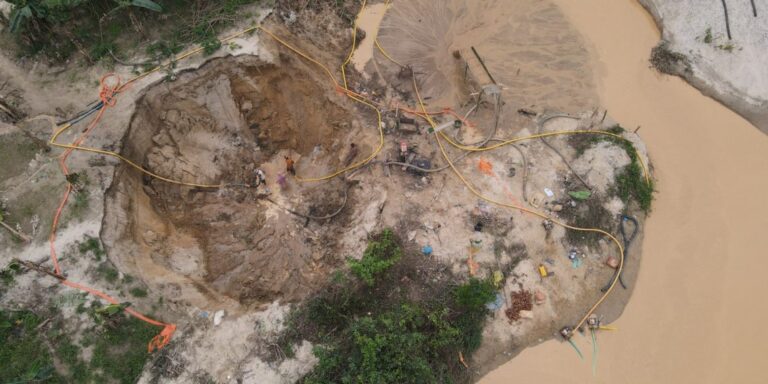
A new study is urging government to formally integrate Ghana’s small-scale mining sector into national development planning, arguing that the country cannot achieve inclusive and sustained economic growth without recognising the sector’s central role in local livelihoods, employment, and rural economies.
According to the researchers, small-scale mining currently supports millions of Ghanaians directly and indirectly, yet continues to operate in a fragmented policy environment that limits its economic potential while amplifying environmental and social risks.
The study notes that despite significant mineral revenues from the large-scale sector, the benefits have not translated evenly across communities, making small-scale mining a critical pathway for broad-based growth.
The report stresses that improving the regulatory framework, expanding technical support, and ensuring access to finance for licensed operators will not only boost productivity but also help formalise the sector. This, the authors argue, is essential for reducing illegal mining, safeguarding the environment, and enhancing revenue mobilisation.
Key recommendations include strengthening district-level mining governance structures, deploying modern technologies for monitoring, expanding community mining schemes, and creating clearer market linkages for responsibly mined gold.
The study concludes that Ghana’s long-term mineral-led development agenda must place small-scale miners at its centre. Without integrating this vital sector, the researchers warn, the country risks losing out on significant economic opportunities and undermining efforts toward inclusive, sustainable growth.
Below is the study:
A Time Series Analysis of Mineral Revenue and Economic Growth in Ghana by Fred Dzakpata